





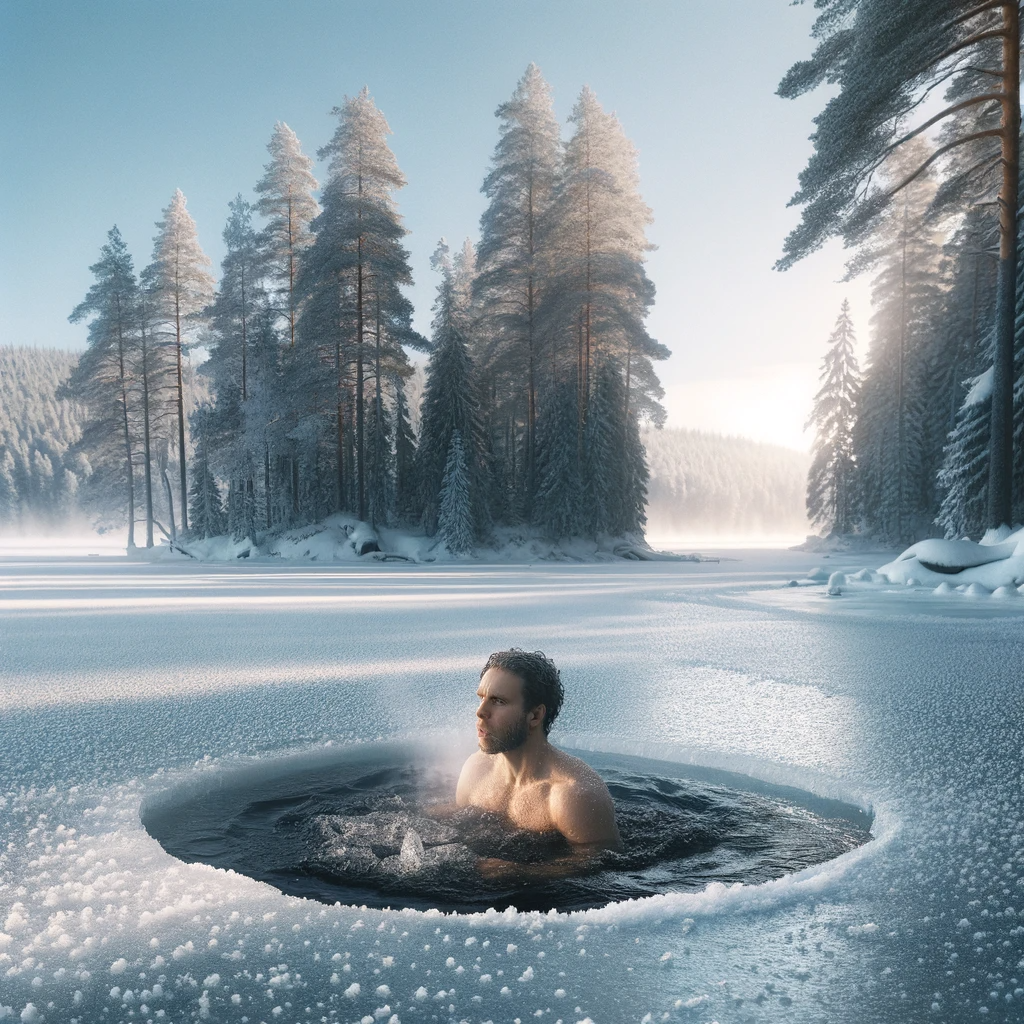
In recent years, ice swimming, also known as winter or cold water swimming, has gained popularity worldwide. This practice, which involves immersing oneself in very cold water, often in natural bodies of water during the winter months, is more than just a courageous plunge into the chilly water. It is an experience that invigorates both body and mind.
Historical background
The tradition of ice bathing is widespread in many cultures. In Russia, Finland, and other Nordic countries, it has been part of the lifestyle for centuries. Originally, it was a form of spiritual and physical purification, but today it is also valued for its many health benefits.
The science behind ice swimming
The idea of voluntarily exposing oneself to extremely cold water may sound absurd to some, but science is convinced of the health benefits of ice bathing. Recent studies have shown that ice bathing can strengthen the immune system, reduce inflammation, and release hormones—especially endorphins. These endorphins are responsible for the feeling of euphoria that many people report after an ice bath.
A. Preparation for ice swimming
Ice swimming is not without risks, and proper preparation is crucial. Here are some steps to consider:
1. Medical consultation
It is important to consult a doctor before starting ice bathing, especially if you suffer from health conditions.
2. Slow adaptation
The body should be gradually accustomed to the cold . You can start with shorter cold showers and gradually increase the duration. If you can comfortably tolerate the set temperature for 3-4 minutes, you can slowly increase the cold. Ice baths themselves should not last longer than 3 minutes.
3. Breathing techniques
Controlling your breathing is crucial to avoid panic and hyperventilation. Breathing exercises can help prepare for the ice bath.
4. Safety
Ice swimming should never be done alone, especially for beginners. It’s important to have a partner, particularly in natural bodies of water. That way, if something happens, someone can get help.
5. Protection:
You can also protect sensitive areas of the body with a hat, shoes, or similar items.
6. Equipment:
You don’t need much for ice swimming, but remember to bring warm clothes for later and a warm drink to warm up.
B. Experiences with ice swimming
The moment of immersion in the icy water is often the most difficult. The body reacts with shock, and breathing becomes rapid and shallow. It’s important to focus on your breathing and remain calm. After a few moments, the body begins to adjust, and a feeling of calm can set in.
But beware!!!
If the following warning signs appear in the ice bath, you must leave the water:
- Rapid breathing and heartbeat
- pale skin
- Tremble
- fatigue
- Confusion
By the time hypothermia sets in, it is often too late, as the confusion prevents the person from properly perceiving the cold water.
C. After ice swimming
After a cold plunge, it’s important to warm the body up slowly. A warm drink and dry clothing are essential, especially a scarf or bowl for the neck, where most of the cold receptors are located. It’s advisable to avoid strenuous activity until the body has returned to its normal temperature.
The advantages of ice swimming are, in summary:
- Regular swimming training in cold water can have a positive effect on various systems (including the cardiovascular system) .
- In winter, people who regularly ice bathe experience fewer colds and respiratory illnesses. The cold exposure during ice bathing challenges the immune system, which can lead to an increased production of white blood cells. These cells are crucial for fighting infections and diseases.
- Anti-inflammatory effect: Chronic inflammation is associated with many diseases. Cold can act as a natural anti-inflammatory agent, similar to the effect of ice on a swollen area.
- Improved sleep and increased concentration are further benefits.
- Besides the physical benefits, ice swimming also has psychological effects , such as improving mood and reducing stress. The challenge and subsequent success can boost self-confidence. One feels proud of having overcome their inner resistance.
But ice swimming can also have disadvantages:
- For unprepared and untrained swimmers, winter ice swimming poses high health risks, as the body is not accustomed to the cold. Beginners in particular may experience uncontrolled reflexes.
- Cold shock : There is always a risk of cold shock when bathing in cold water. Therefore, you should always take a companion when ice swimming and enter the water slowly, not by jumping in .
- Hypothermia: When the body is exposed to cold, there is always a risk of hypothermia sooner or later. The longer the body is exposed to cold water, the greater the risk. Particular caution is advised in winter, as low water and air temperatures coincide.
Important note:
People with pre-existing medical conditions should be especially careful when ice swimming, or better yet, avoid it altogether. For example, anyone suffering from heart or vascular problems should refrain from ice swimming.
Conclusion
Ice bathing is a fascinating practice that challenges both body and mind. It can be done at home in the bathtub or in a cold lake. While it’s not for everyone, those who take the plunge can reap numerous health benefits.
As with any extreme activity, caution is advised, and proper preparation and safety measures are essential. Whether as a means of improving health or as a personal challenge, ice swimming offers a unique and invigorating experience.